You can do everything right — clean ingredients, tested purity, solid dosing — and still be putting microplastics into your body from the bottle itself. This is our running list of supplements and foods we use that ship in glass, aluminum, paper, or compostable packaging.
Why We Track This
Heat, oil, acidity, and time all accelerate plastic-to-product migration. Fish oils, MCT oil, and liquid herbals are particularly vulnerable sitting in HDPE or PET bottles.
Glass, aluminum, and paper cost more to produce and ship. Brands that choose them have usually thought about the full product story — not just what's inside the capsule.
Glass bottles and jars, aluminum tins and cans, paper/cardboard pouches and canisters, and home-compostable wrappers. Refillable systems get bonus points.
Some of our non-negotiable picks still ship in plastic. We flag it, we use it anyway when the inside matters more — and we keep looking for better. This list grows every month.
Our Current Stack
Every product below is one we personally use and that ships in non-plastic primary packaging. Outer shipping materials may still vary by retailer.
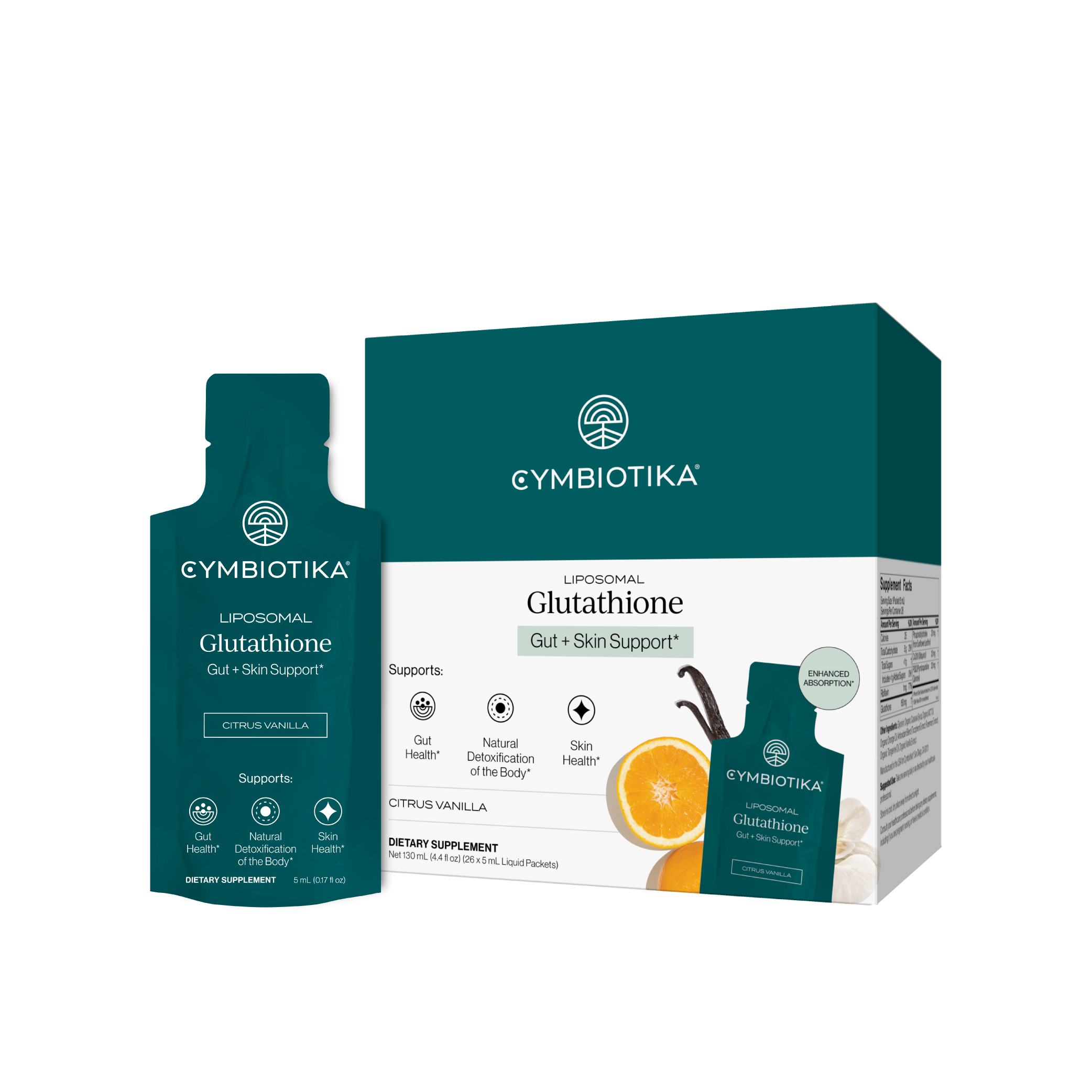
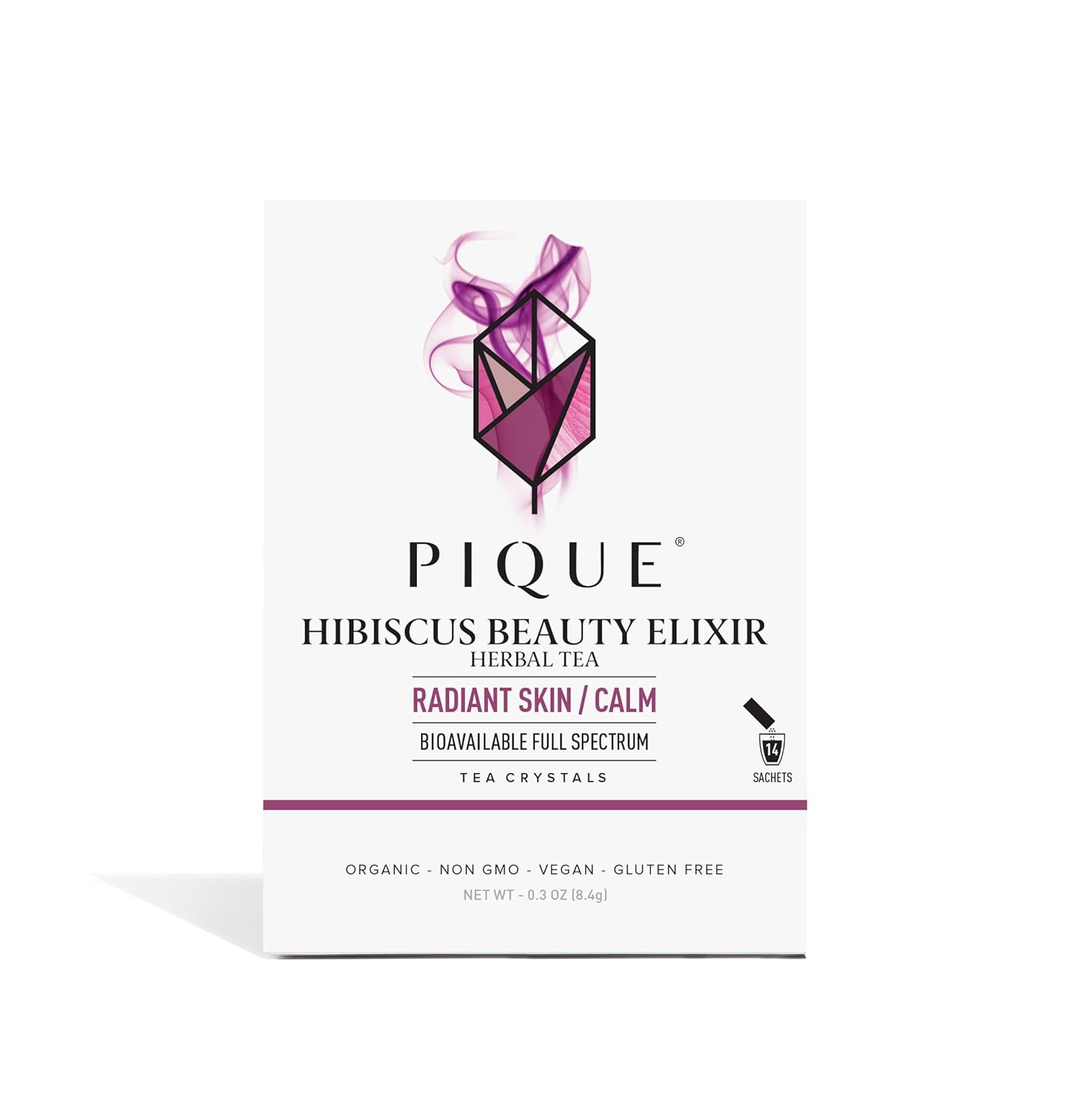
Daily detox & skin pick. Ships in foil-lined liquid pouches (no plastic bottle) inside a paperboard carton.
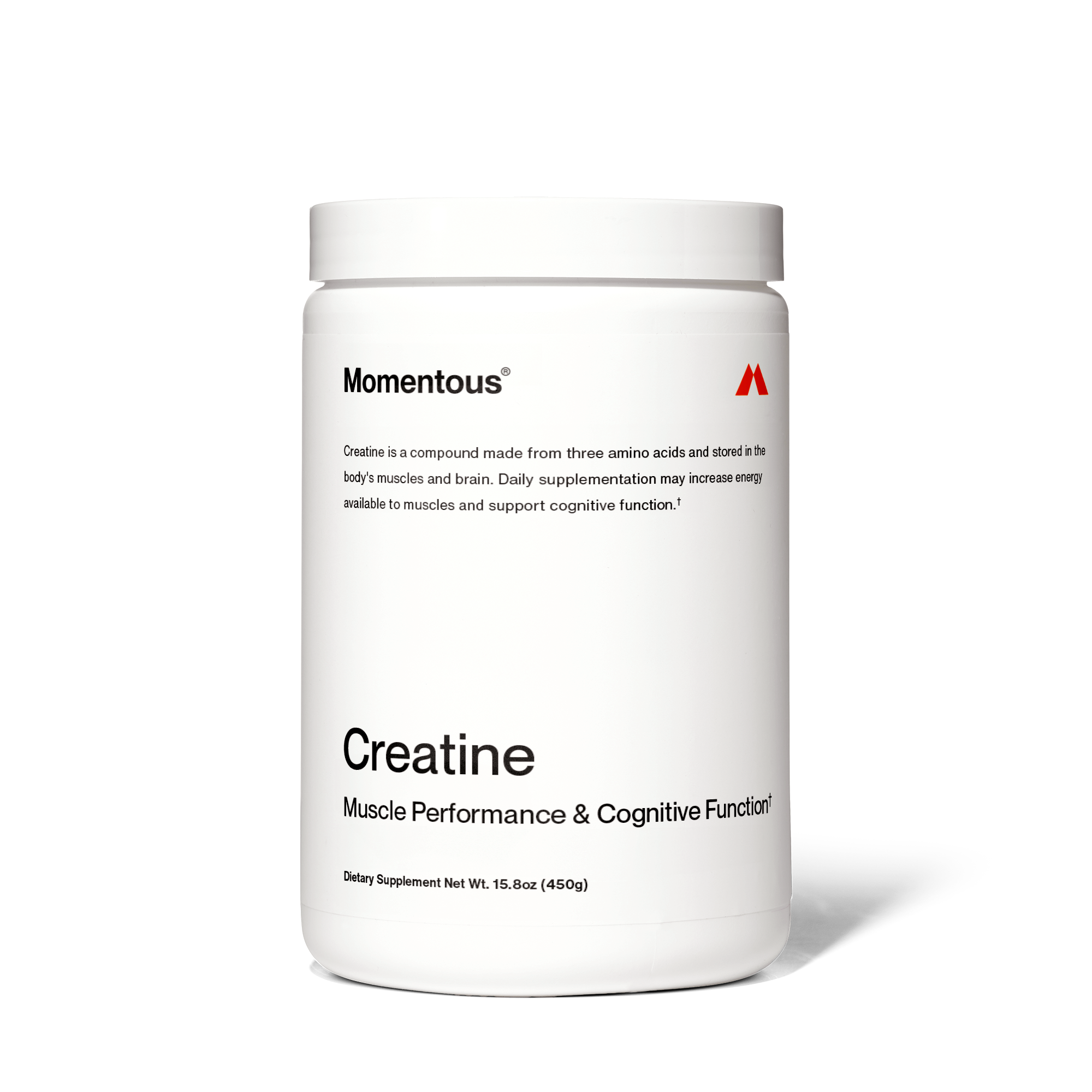
Our daily monohydrate. Ships in a recyclable metal/paperboard canister — no plastic tub.
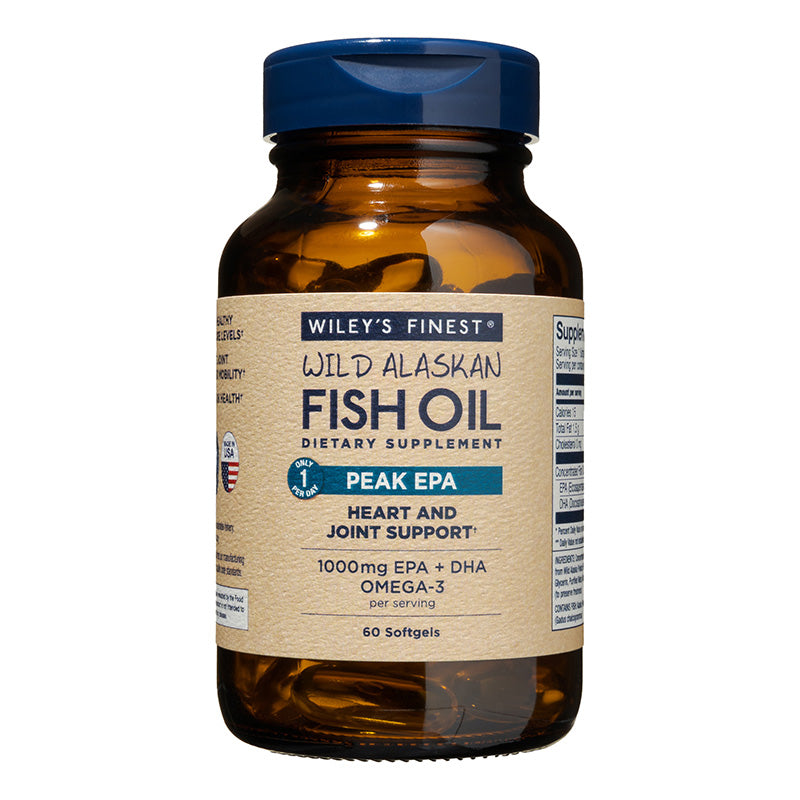
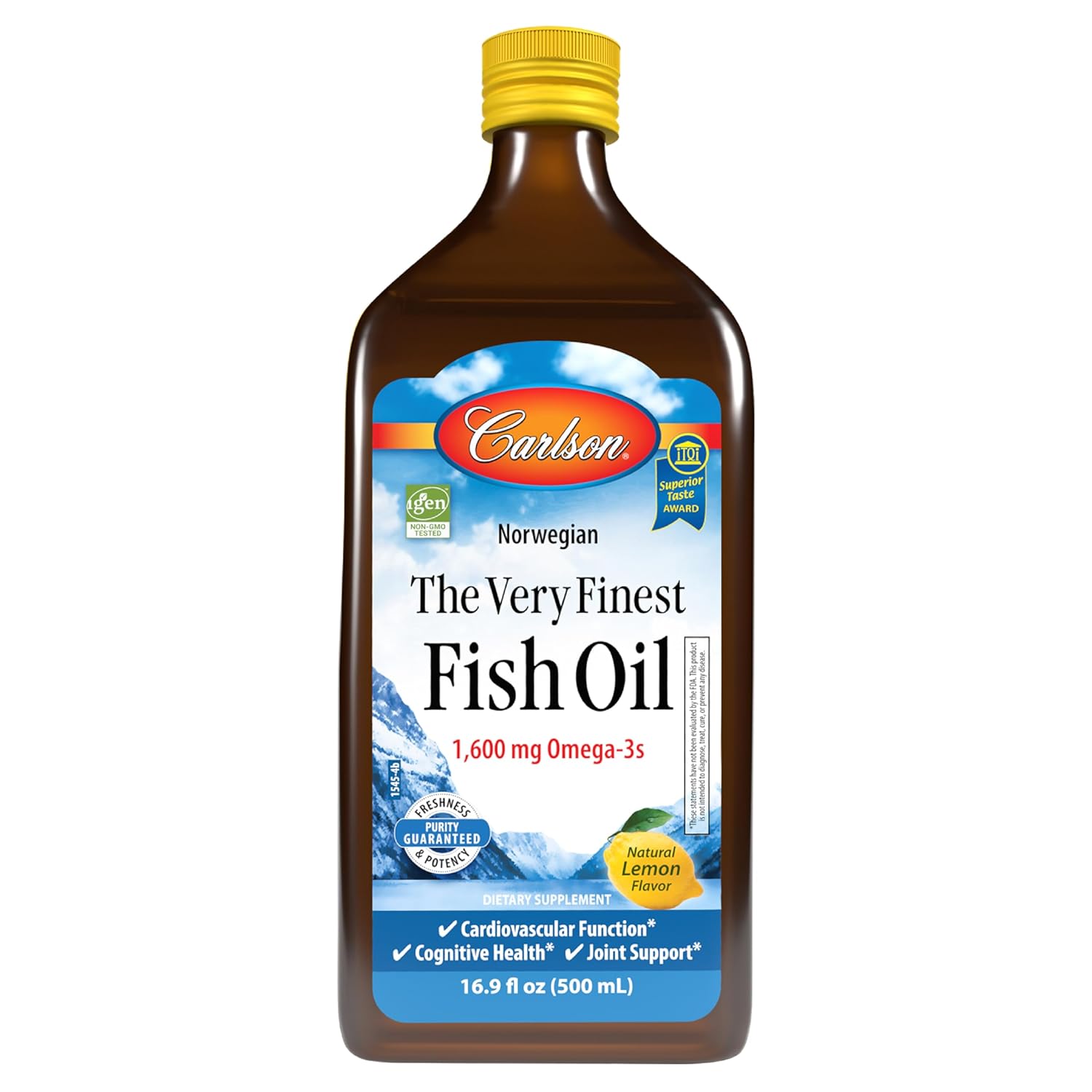
Our omega-3 daily. Amber glass bottle — critical for fish oil, which oxidizes and leaches faster in plastic.
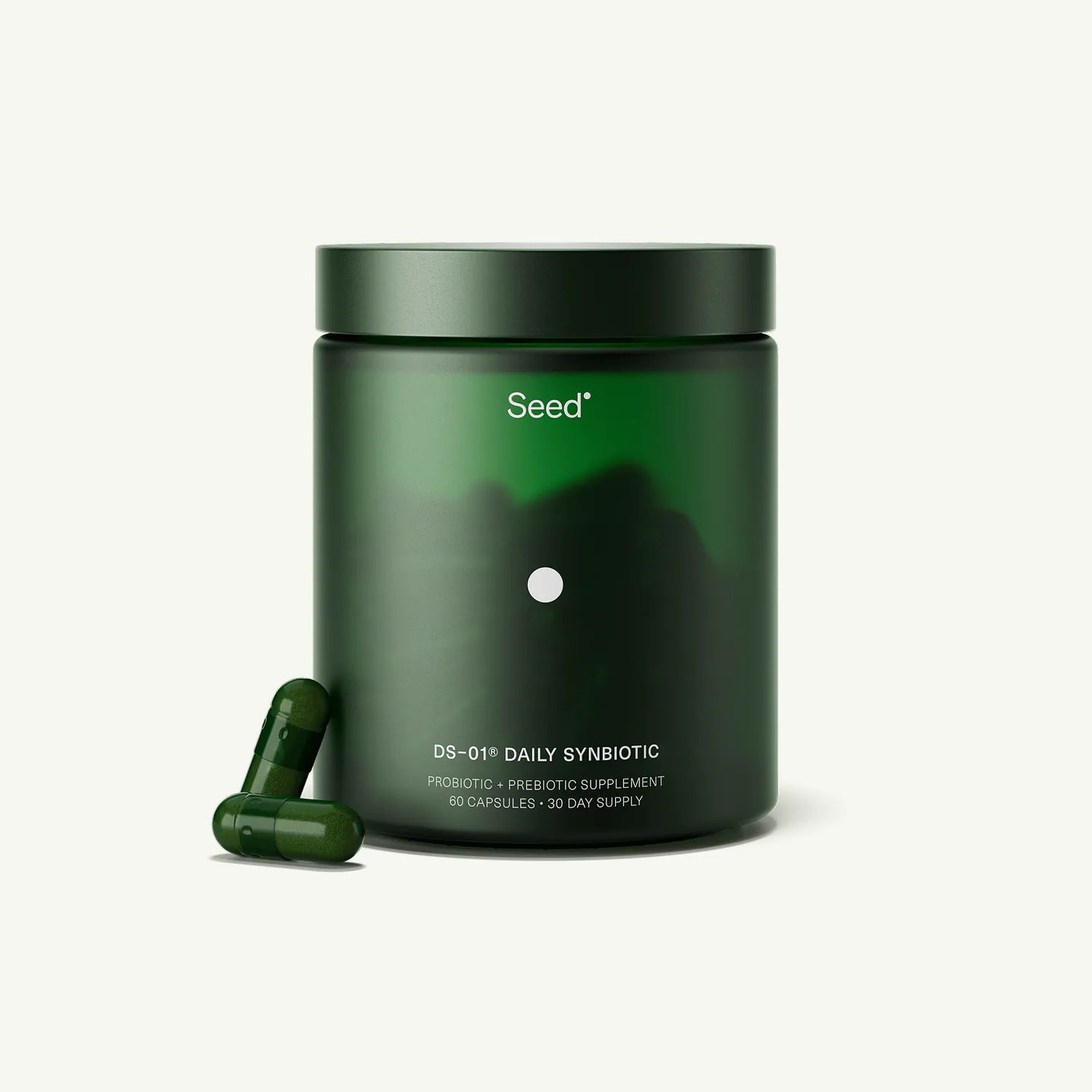
Refillable glass jar system — month one ships in glass, refills arrive in a compostable pouch you pour into the same jar.
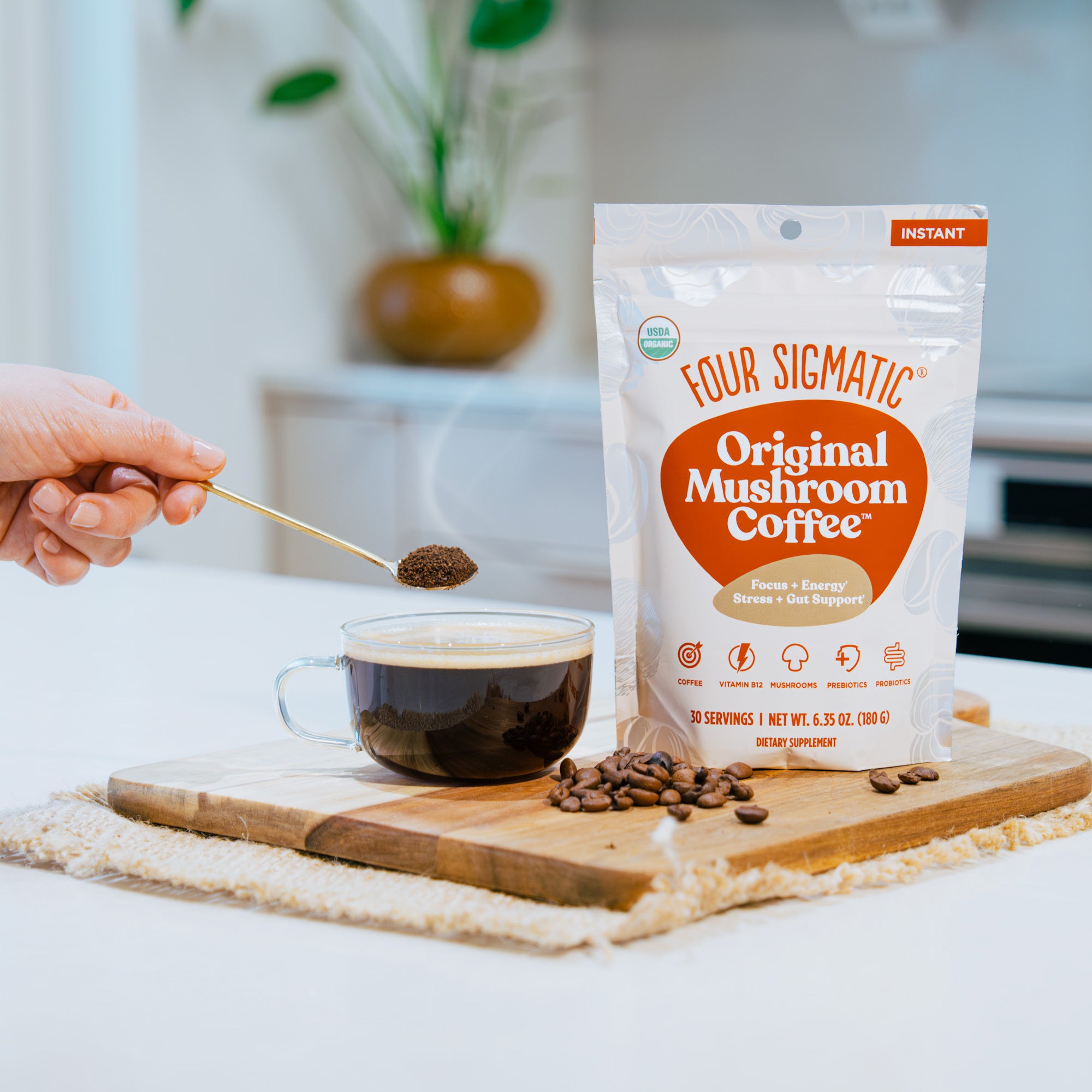
Lion's mane + chaga ground coffee in a paperboard-first bag. Our weekday brew.
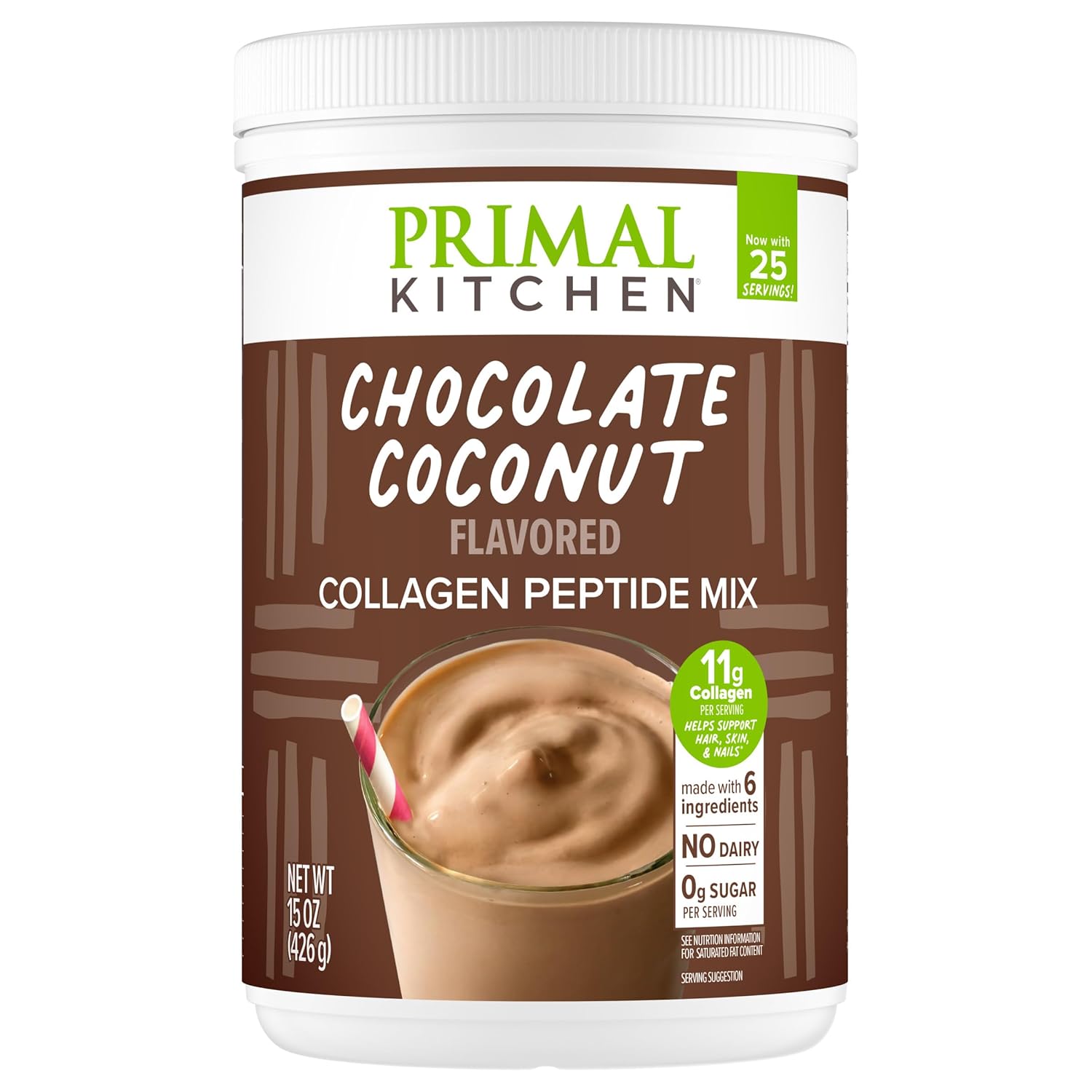
Travel snack. Bars ship in a paperboard outer case; wrappers are foil-lined (no PVC). Honey-sweetened — no stevia.
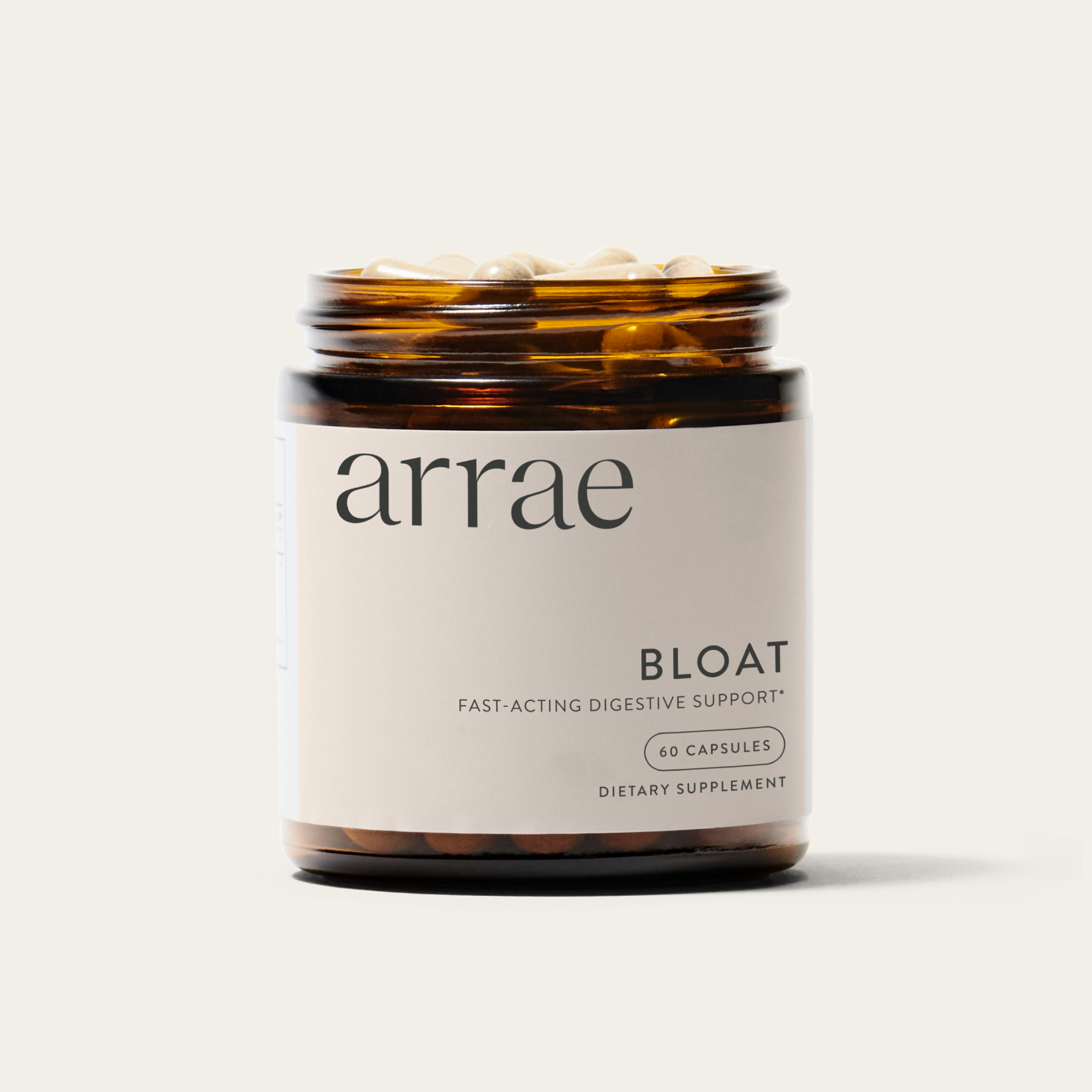
Tessa's post-meal pick. Frosted glass bottle with a metal lid — one of the nicer packaging stories in the category.
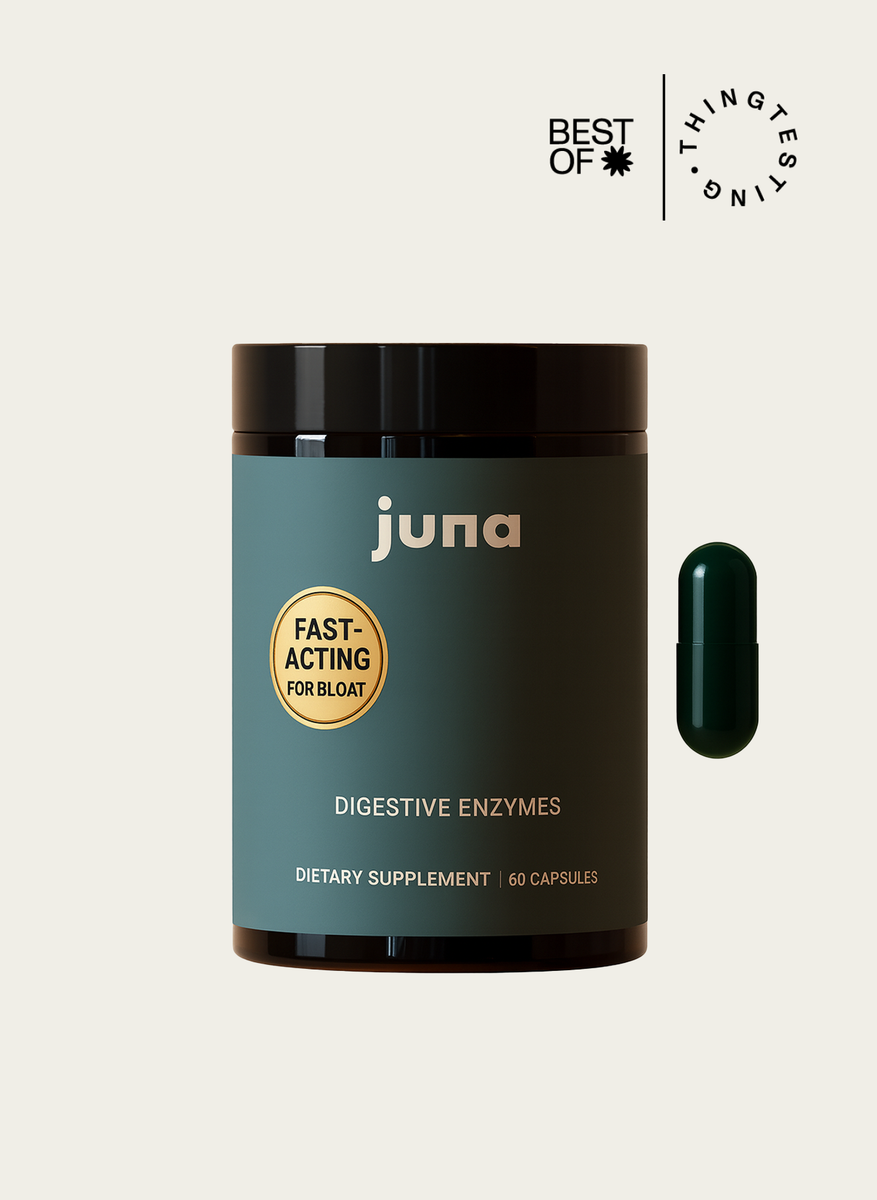
Glass bottle with aluminum lid. Juna's entire line is designed around glass primary packaging.
Researched & Approved
These meet our packaging standards and would be in our rotation if the specific formulation fit our current stack. All ship in glass, metal, paper, or compostable materials.
Grass-fed whey in a recyclable cardboard canister with a metal scoop. One of the few premium protein powders that isn't in a plastic tub.
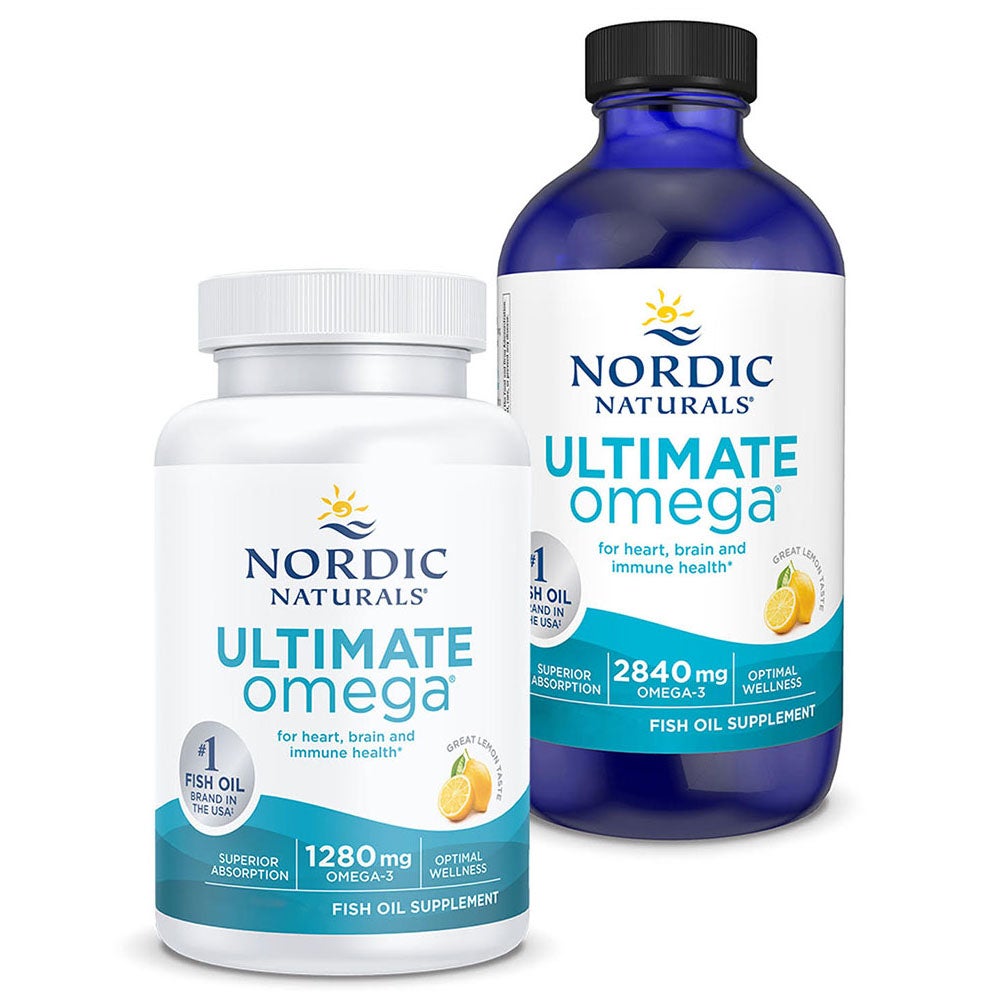
Wild-caught Norwegian omega-3 in amber glass. IFOS-certified and one of the longest-standing glass fish oils on the market.
Quadruple-toxin-screened matcha in individual foil sachets inside a paperboard carton. Radiation, pesticide, heavy-metal, and mold tested.
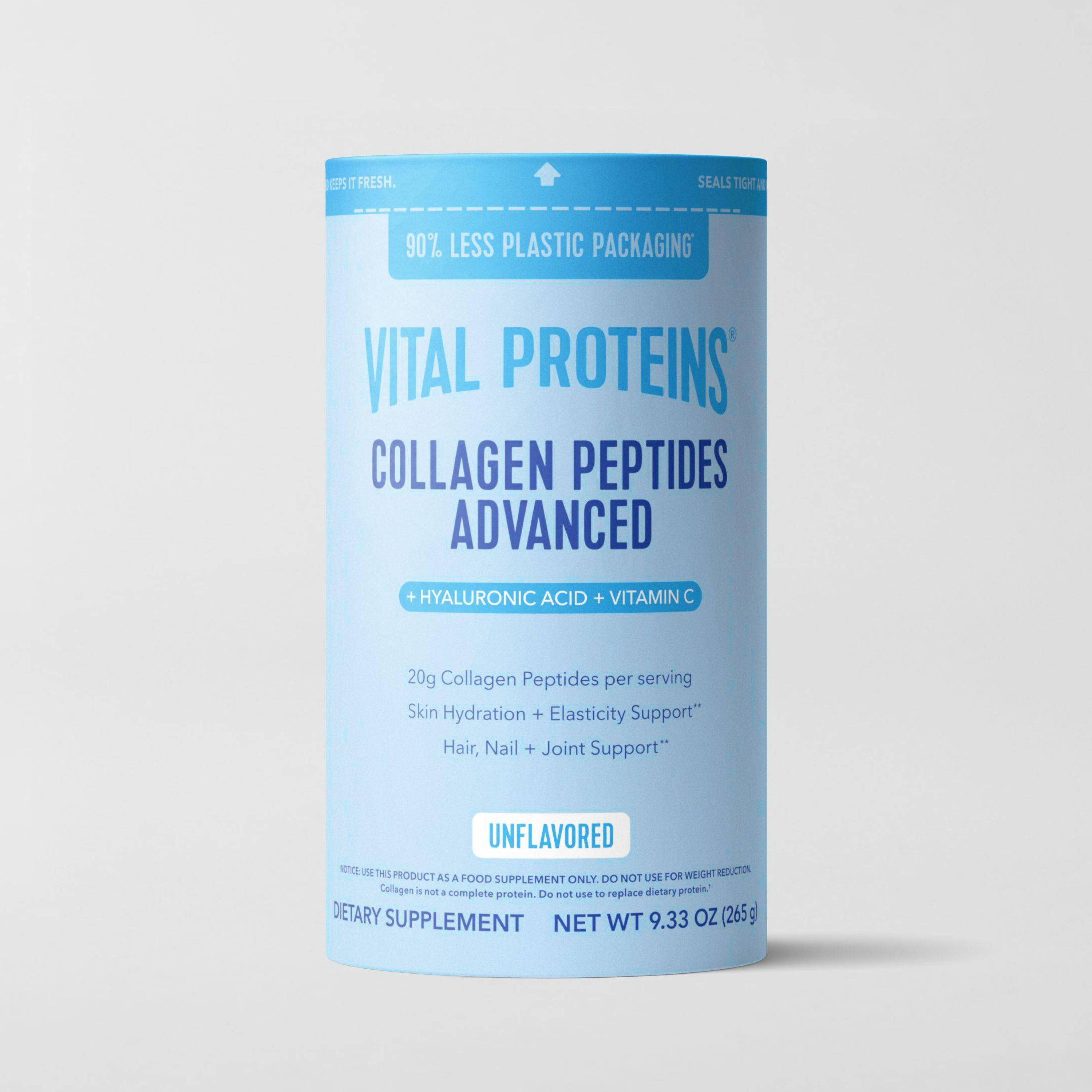
The cardboard canister version — same peptides, no plastic tub. Grass-fed, pasture-raised bovine collagen.
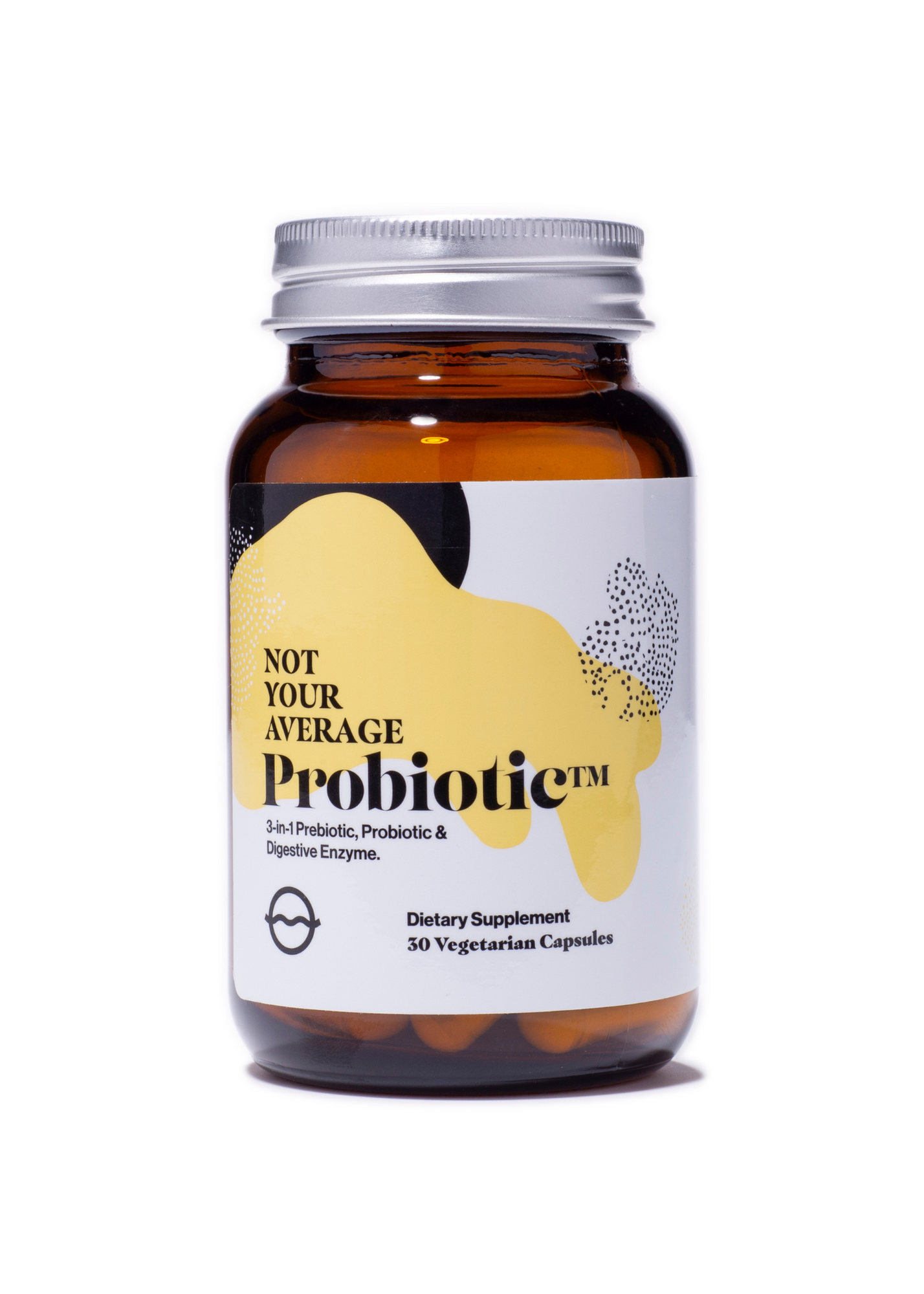
Spore-based probiotic in a frosted glass bottle. The entire Organic Olivia catalog is glass-first.
Collagen + hyaluronic acid in a paperboard box with individually-wrapped foil pieces. No plastic blister packs.
Select SKUs ship in glass amber bottles. Hypoallergenic, free of most common additives, physician-trusted clean label.
The liquid version — amber glass bottle. Soft-gel version is plastic, so look specifically for the liquid format.
Our Selection Criteria
The research on plastic migration keeps getting worse. Microplastics have now been measured in human blood, placenta, breast milk, and testicular tissue. Phthalates and BPA analogs are classified as endocrine disruptors — meaning they interfere with the same hormones we’re trying to support with training, sleep, and supplements. This is why our packaging standards are as strict as our ingredient standards.
The stakes: phthalates and BPA analogs are lipophilic — they migrate into fats and oils at the highest rates of any food-contact chemicals. A fish oil in plastic is delivering omega-3s plus the endocrine disruptor you were trying to avoid. Our standard: glass only for fish oil, MCT oil, tinctures, and liquid herbals. No exceptions.
The stakes: heat and time drive plastic leaching — a protein tub that sat on a warehouse pallet in July is a worst-case scenario. Powders are also consumed in bulk, so small exposures compound daily. Our standard: metal tins or paper canisters for creatine, collagen, electrolytes, and protein whenever the brand offers it.
The stakes: multi-layer plastic laminates (the inside of most bar wrappers) are the hardest to identify and the hardest to test for. Many contain PFAS as a grease barrier — "forever chemicals" linked to thyroid disruption and immune suppression. Our standard: home-compostable films, foil-lined wrappers, or paperboard sleeves. No glossy plastic clamshells.
The stakes: even "BPA-free" plastic lids on glass bottles can leach BPS, BPF, or phthalates from the gasket, especially when exposed to hot-fill processing. The container matters; the lid matters too. Our standard: brands that disclose lid and liner materials, offer refill pouches to reuse glass, or use metal-on-glass closures get priority on our list.
Packaging is one risk lever among many — diet, water filtration, textiles, and cookware all contribute. None of this is medical advice. We’re documenting what we pay attention to and why; your mileage will vary.
Our complete 30-day plan with supplement guidance, training splits, and meal planning — including which containers we reach for and why.
Get the guide →Our first 5 supplement picks plus the Label Reading Cheatsheet. Third-party tested, with dosage guidance and the research behind each one. Free when you subscribe.
Free Guide
Our 5 foundational picks, dosage guidance, and the Label Reading Cheatsheet. Research-backed, third-party tested, delivered to your inbox.
No sponsors. No spam. Unsubscribe anytime.